


- Print marketing ROI in 2026 is strongest for local awareness, trust-heavy categories, and offers that live on the kitchen counter for weeks, not for hour-by-hour retargeting.
- Digital wins on precise targeting and speed; print vs digital marketing is not either-or, phygital campaigns with QR and unique URLs close the attribution gap.
- Small businesses often see the best blended return with a 70/30 or 60/40 digital-to-print split for local service brands, adjusted by customer lifetime value.
If you are comparing print marketing ROI 2026 against Meta and Google spend, you are asking the right question at the wrong altitude. ROI is not a single channel trophy, it is revenue returned per dollar spent for a defined offer, audience, and measurement window. Digital ads excel at iteration speed; print advertising effectiveness excels at persistence, trust, and local tangibility. This guide compares print vs digital marketing on cost per reach, response, recall, and message lifespan; explains when each channel wins; and shows how QR-led phygital funnels make mail and flyers accountable. For file prep when you add print to the mix, start with our how to send print-ready files checklist and flyer design tips for creative that survives the mailbox and the sidewalk.
Print or digital, which has better ROI in 2026?
Neither channel wins every category. Print marketing return on investment leads for local trust, high-ticket services, and offers meant to be kept. Digital leads for lookalike prospecting, flash sales, and creative tests that rotate weekly. The highest offline marketing ROI we see in customer stories blends both: digital fills the top of funnel; print closes consideration with something prospects can hold, photograph, and share on the fridge.
The digital ad landscape: rising costs, falling attention
Platform auctions tightened as more small businesses bid the same local keywords. Attention fragmented across reels, stories, and AI summaries that never show your display banner.
Average CPC and CPM trends in 2025–2026
Local service categories, HVAC, legal, dental, often see cost-per-click bands that doubled over a five-year window in competitive metros. CPM on social prospecting rises when iOS and browser privacy reduce retargeting pools. That does not mean digital is dead; it means marketing channel comparison must include creative fatigue and rising bids, not last year’s spreadsheet.
Ad fatigue: why digital attention is harder to earn
Prospects scroll past templated carousel ads in under a second. The same user sees your boosted post three times Tuesday and ignores it Thursday. Digital excels at frequency, but uncontrolled frequency burns brand goodwill. Print pieces do not auto-hide when budget pauses, they linger until recycling day, which is either annoyance or reminder depending on offer quality.
Why print is having a renaissance
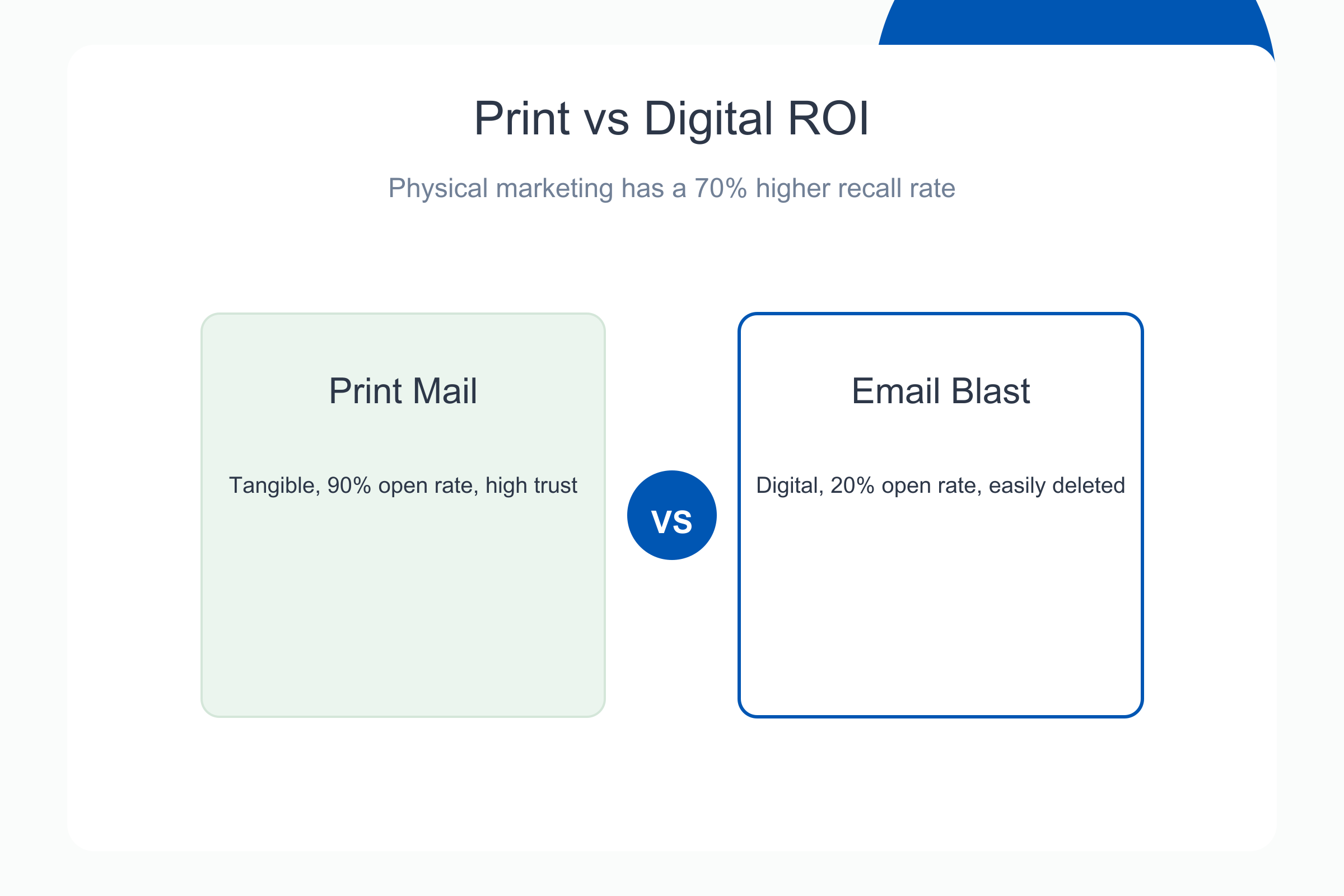
Physical mail and handouts cut through inbox noise. Industry studies consistently show higher brand recall for tangible pieces versus ephemeral pixels, exact percentages vary by methodology, but the direction repeats across DMA and postal research summaries.
The tangibility advantage: how physical materials are retained
A coupon magnet on the fridge, a menu in the junk drawer, a business card on the desk, these are passive retargeting without cookies. Physical vs digital ads differ in half-life: an email open is measured in hours; a well-designed postcard may survive two weeks of household decisions about which plumber to call.
Print response rates vs email open rates: the data
Email open rates for small lists often land in the teens to twenties percent with heavy variance by industry. Direct mail response rates are lower in percentage terms but frequently higher in revenue per responder for local high-ticket services because the piece self-selects geographically. Compare channels on cost per appointment, not vanity percentages alone.
Head-to-head: print vs digital by metric
Use one table for planning conversations with partners who still think print is “dead.”
| Metric | Print (mail, flyers, cards) | Digital (paid social, search) |
|---|---|---|
| Cost per thousand impressions | Low for EDDM saturation | Rising CPM in local auctions |
| Targeting precision | Geographic routes, event handouts | Interest, keyword, retargeting |
| Speed to launch | Days (print + mail) | Hours (live ads) |
| Message lifespan | Days to weeks on counter | Seconds per impression |
| Trust signal | Strong for local services | Varies; ad label reduces trust |
| Attribution | QR, unique phone, offer codes | Pixels, UTMs, platform dashboards |
Cost per reach comparison
EDDM and flyer saturation can reach every door in a route for a predictable postage-plus-print sum. Digital reach buys impressions until budget runs out, competitors can outbid you mid-campaign. For a three-mile service radius, print geography is honest; digital geography drifts when platforms expand lookalikes beyond your drive-time.
Response and engagement rates
Direct mail response rate benchmarks hover in fractional percentages for broad offers but climb when lists or routes are tightly matched, neighborhood restaurant coupons beat national credit card promos. Digital click-through rates on cold traffic are also fractional. Judge both on cost per lead, not platform-reported engagement that includes accidental three-second views.
Brand recall: what the research says
Tactile engagement, holding a card, writing on a flyer, activates memory differently than thumb-scroll. Print-heavy categories like real estate and healthcare lean on this for credibility. Digital supplements with video proof and reviews; print anchors the brand name when the prospect is offline making a decision.
Lifetime of the message: digital hours vs print weeks
A boosted post stops when spend stops. A stack of menus at the office lunch table works every day until the box empties. Flyer ROI statistics from customer anecdotes often cite delayed response: calls that arrive ten days after delivery when the need arises, not when the ad served.
When digital wins and when print wins
Awareness campaigns: which channel goes further
Broad awareness with video creative and lookalike audiences favors digital. Grand-opening billboards-plus-handout combos favor print near the location plus digital geofencing for redundancy.
Local marketing: where print dominates
Pizza shops, dentists, contractors, and agents farming ZIP codes see strong returns from EDDM, door hangers, and event flyers. Pair with our EDDM direct mail guide when you are planning route saturation.
Repeat purchase and loyalty: the print edge
Loyalty punch cards, thank-you cards with reorder QR, and seasonal postcards to past customers live in wallets and drawers, surfaces no display ad occupies. Email reminders help; print reminders differ in tone and permanence.
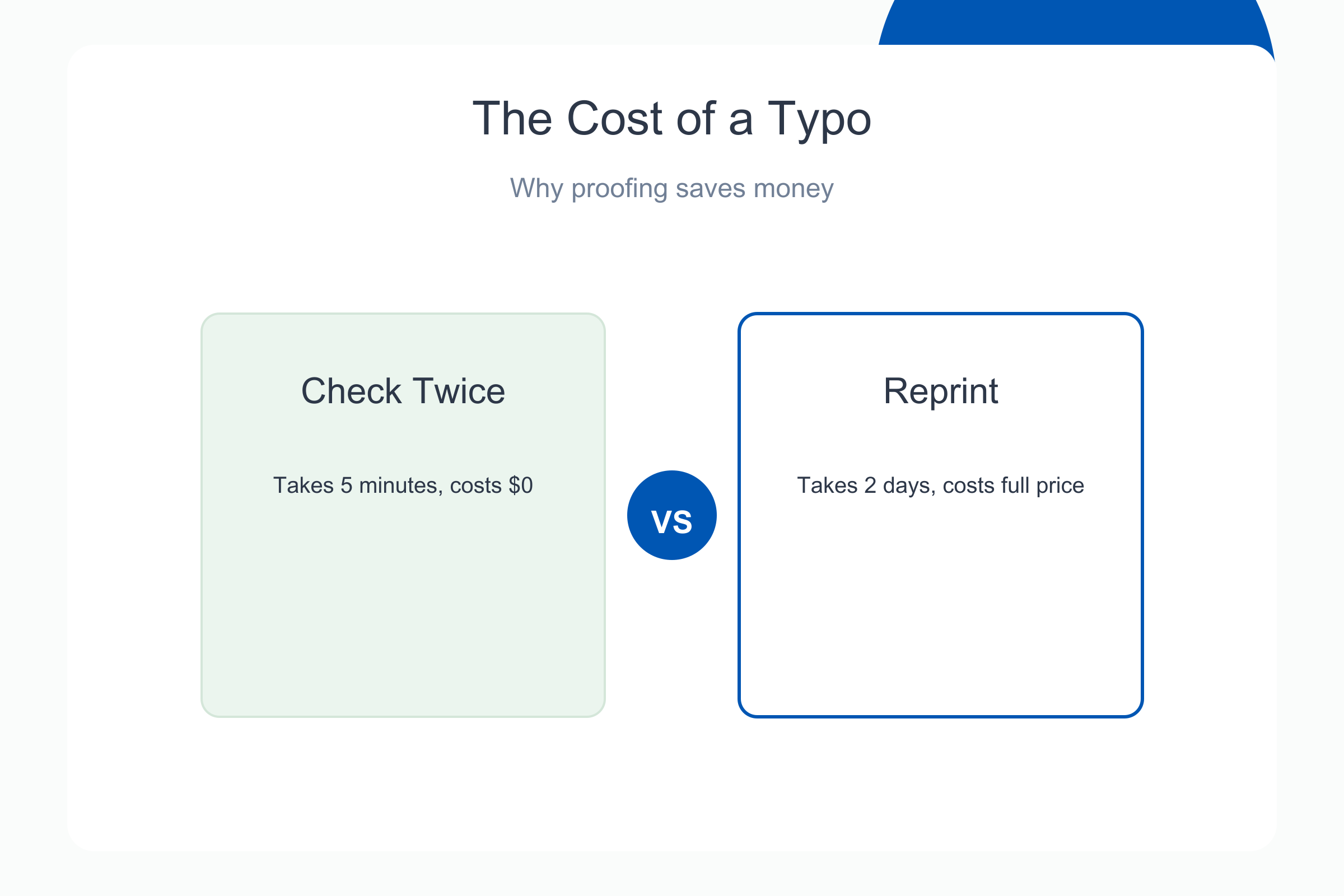
Teams that skip proof review on print often pay twice: once for the bad run, once for the rerun. Digital campaigns fail fast with pause buttons; print failures ship physically to every mailbox. That asymmetry is why a single proof cycle belongs in every print ROI model, not just premium tiers.
“Splitting budget fifty-fifty between EDDM and geofenced ads dropped our cost per booked job eighteen percent in one quarter. Print started the conversation; digital closed it.”
James L., HVAC owner, Columbus
The phygital strategy: combining print and digital
Print marketing statistics 2026 trend toward integrated stacks, not channel wars. Mail drives scan; landing pages capture lead; email nurtures.
QR codes, URLs, and social handles on print materials
Every flyer, card, and mailer should carry one primary digital path sized for real cameras, see our QR code for print guide for minimum module sizes and contrast rules.
How to track print campaign results
Use unique URLs per drop, dynamic QR to the same landing page with UTM parameters, and call tracking numbers on EDDM routes. Match CRM source fields to print campaigns so ROI math includes postage and print line items, not just ad platform ROAS.
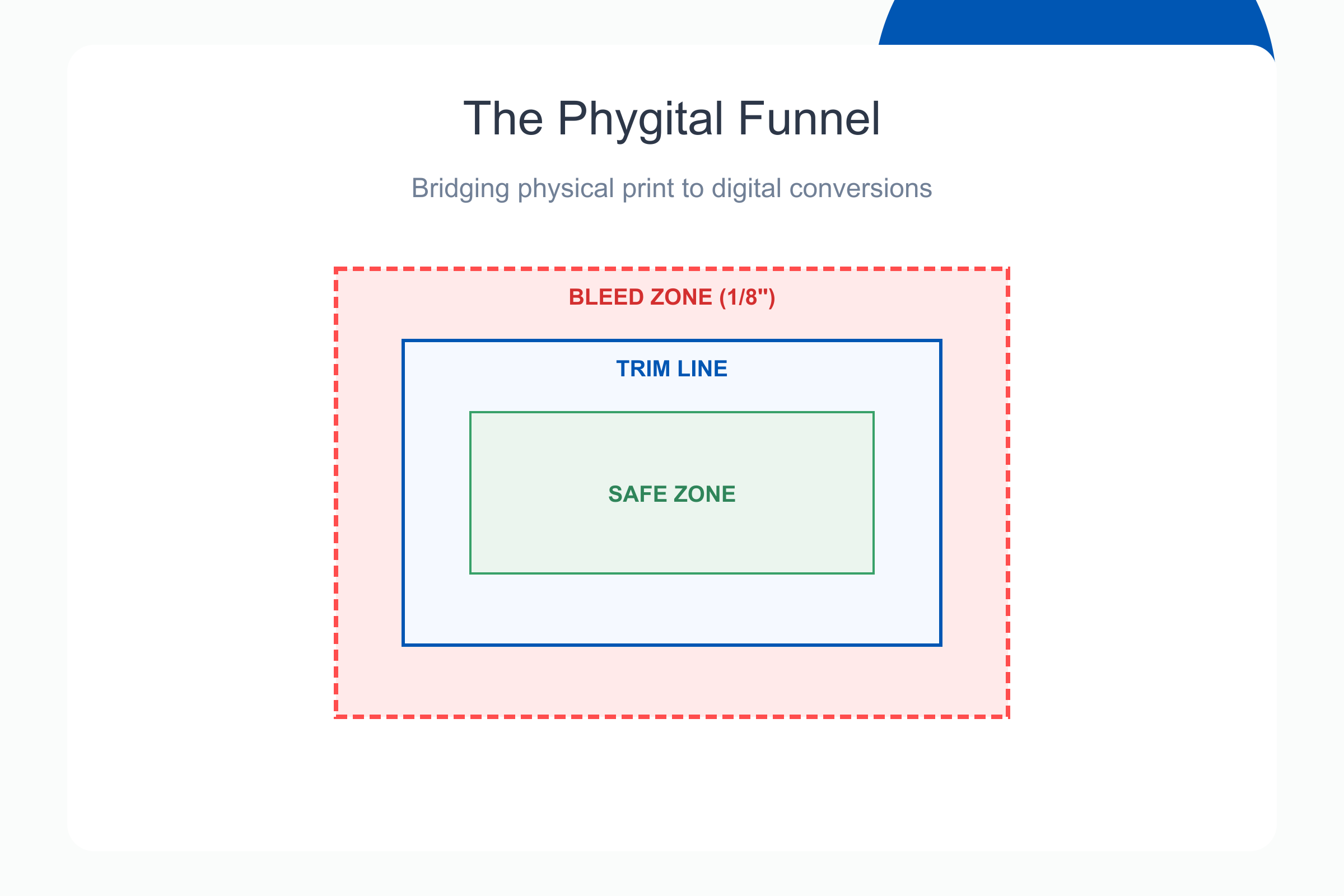
Start with one offer across both channels for thirty days. Use the same headline on the mailer, flyer, and landing page so attribution debates shrink. When print and digital disagree visually, customers trust neither.
Measure cost per booked appointment, not platform impressions, before you cut print budget because a dashboard favors digital. Hybrid stacks often win on total pipeline even when either channel looks mediocre alone.
Budget allocation: what the data suggests for small businesses
There is no universal split, lifetime value and sales cycle matter.
Recommended print/digital split by business type
| Business type | Suggested starting split | Print priorities |
|---|---|---|
| Local home services | 60% digital / 40% print | EDDM, door hangers, yard signs |
| Restaurant / retail | 70% digital / 30% print | Menus, table tents, grand-opening flyers |
| Real estate / finance | 50% / 50% | Cards, just-listed mail, open-house sheets |
| E-commerce national | 85% digital / 15% print | Insert cards, thank-you mailers |
Starting your print marketing strategy
Begin with one high-confidence piece: business cards for every employee, then a flyer or postcard drop in your best ZIP. Approve proofs before payment; measure for sixty days; then scale the channel that produced lowest cost per sale.
Print materials with the best ROI for small businesses
Ranked by typical payback: business cards (always), neighborhood postcards or EDDM, service flyers with strong offer, menus or price sheets for hospitality, remarketing postcards to past customers. Premium brochures matter for high-ticket B2B; taco trucks need fewer folds and more coupons.
Sources, studies, and research citations
Cite industry summaries from DMA, USPS household diary studies, and platform benchmark reports when you present to stakeholders, percentages change; the structural insight persists: tangibility aids recall, digital aids targeting. Update your internal dashboard quarterly rather than debating a single stat from 2019.
Order our free print sample package to feel paper weights and finishes before you commit to a large run. Cheap, fast, and quality all start with the right stock choice.
Browse online printing options sized for this guide, upload art for a free proof, and approve before production payment.
Upload flyer or card art for a free proof. Approve before payment and pair print with QR tracking on your next campaign.
Frequently asked questions
Does print marketing still work in 2026?
Yes for local awareness, trust-heavy categories, and offers with long decision cycles. Print complements digital; it rarely replaces retargeting and search intent capture alone. Measure with QR, unique phones, and offer codes to see true contribution. Compare specs on your proof, keep notes on what worked, and scale quantity only after a small test drop or sample feels right in hand.
What is a good ROI for print marketing?
Target ROI the same way as digital: revenue attributed to the campaign minus all costs, divided by costs. Local service businesses often aim for three to five times return on combined print and postage over ninety days for saturation mailers, adjusted for your margins.
Is direct mail cheaper than Facebook ads?
Not always per impression, but EDDM can be cheaper per household reached in a defined radius. Facebook may be cheaper per click for narrow interests. Compare cost per booked appointment for your offer, not CPM alone. Compare specs on your proof, keep notes on what worked, and scale quantity only after a small test drop or sample feels right in hand.
What print pieces have the highest ROI?
Business cards, EDDM postcards, and offer-led flyers typically pay back fastest for local businesses. Menus and table tents lead for restaurants. Just-listed postcards lead for real estate farming when sent consistently. Measure cost per appointment or sale, not vanity impressions. Pair print with a landing page that repeats the mail headline verbatim.
How do I track print campaign performance?
Use QR codes with UTM parameters, unique landing URLs per drop, dedicated phone numbers, and register offer codes. Align CRM lead source with print so digital branded search is not credited alone. Match each drop to a unique phone, QR, or offer code in your CRM so you compare routes on cost per lead, not guesswork after the fact.
Should small businesses cut print to fund digital?
Cut untracked print, not all print. Many businesses over-index digital while leaving zero tangible touchpoints for high-intent local buyers. A modest print line item with tracking often lowers blended cost per sale. Compare specs on your proof, keep notes on what worked, and scale quantity only after a small test drop or sample feels right in hand.
What is phygital marketing?
Phygital combines physical print touchpoints with digital follow-through, mail to QR to landing page to booking. It closes the attribution gap that made print look “unmeasurable” in platform dashboards built for clicks only. Use one offer across mail, landing page, and retargeting so attribution stays honest and customers see a consistent brand.
How often should I refresh print creative?
Refresh offers every drop or season; refresh layout when response fatigues, often every three to four mail cycles for the same routes. Digital creative may rotate weekly; print rewards consistency plus periodic offer updates. Review results after every drop, then adjust cadence: monthly for launches, quarterly for maintenance campaigns, never identical creative twice in a row.